Keeping Families Together: How Patient/Caregiver Education Meets Families Where They Are
When the brief traditional bedside education isn't compatible with your learning needs, who advocates for your ability to care for your baby? Patient/Caregiver Education is changing healthcare culture by filling gaps and meeting individual needs.
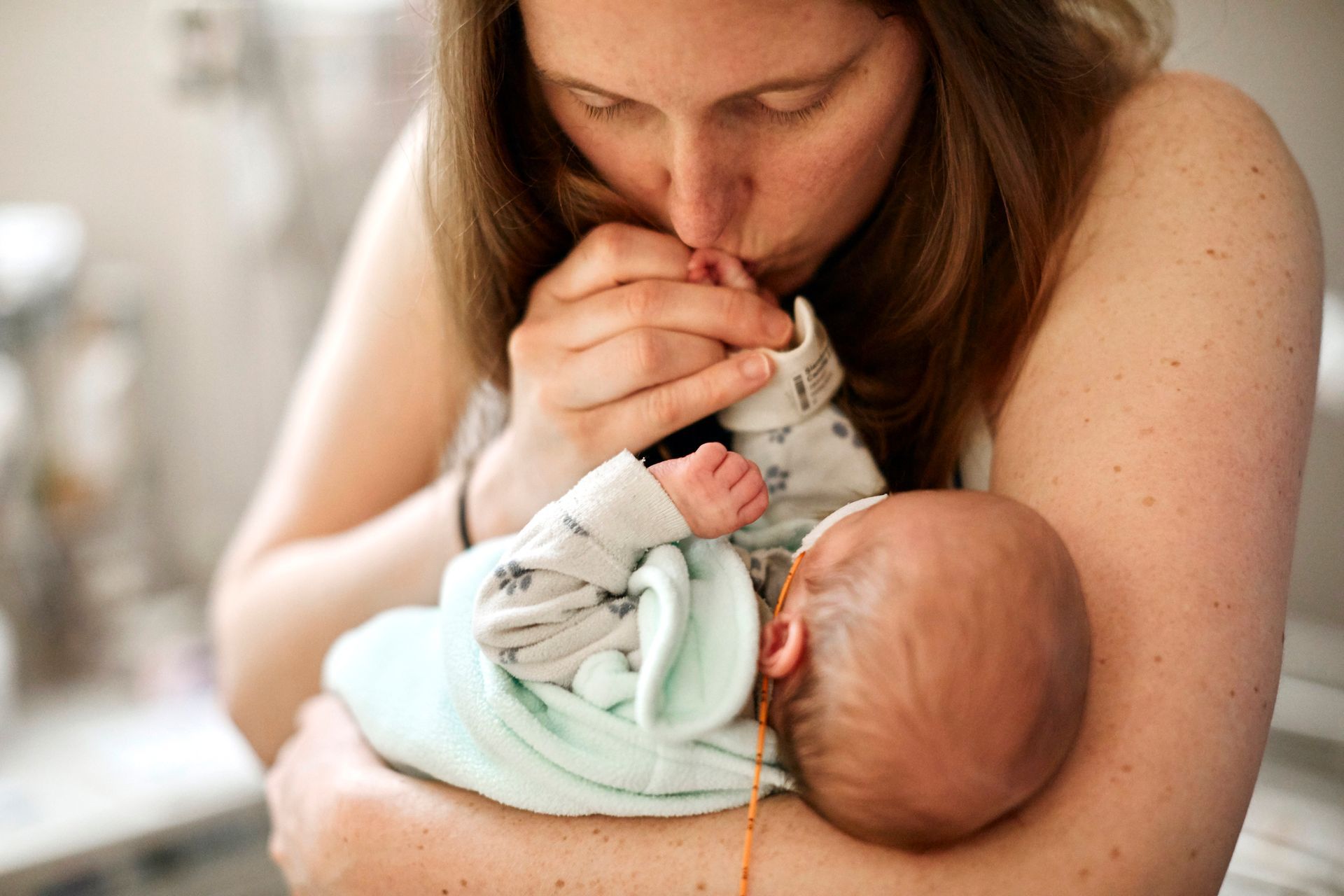
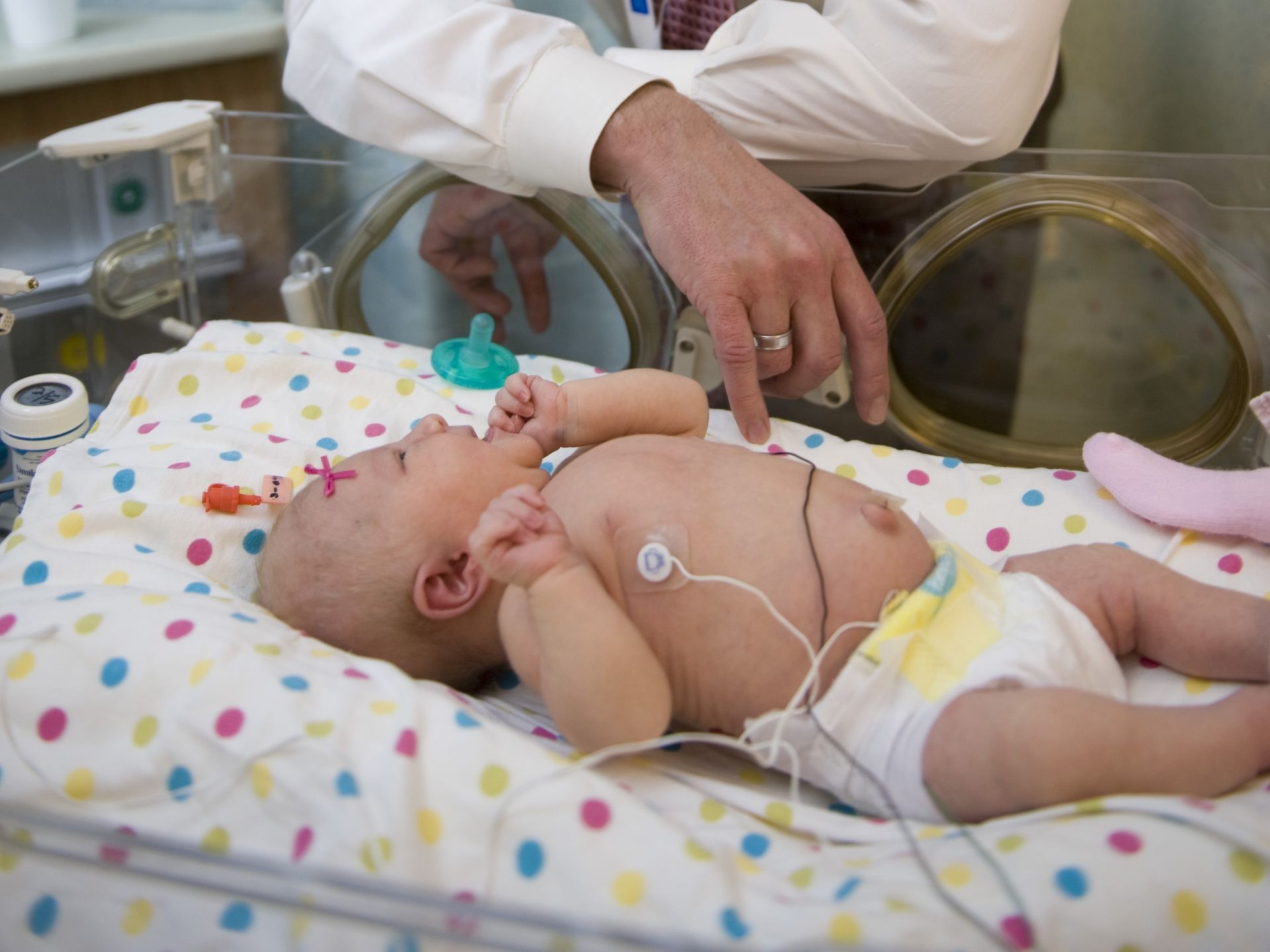
Jo* was in the midst of recovering from drug addiction when she was preparing to give birth, struggling to get the resource she needed as a soon-to-be single mom with autism and a slight developmental delay. Living in a rural area greatly limited her options, and her social issues with her family whom she lived made it difficult for her to depend on them. Then, her baby arrived with complications. When Jo gave birth to Cole, she learned he was born with a complex heart defect and tracheomalacia requiring a tracheostomy placement. The Patient/Caregiver Educator (PCE) immediately began working closely with Jo, making sure she understood what was happening.
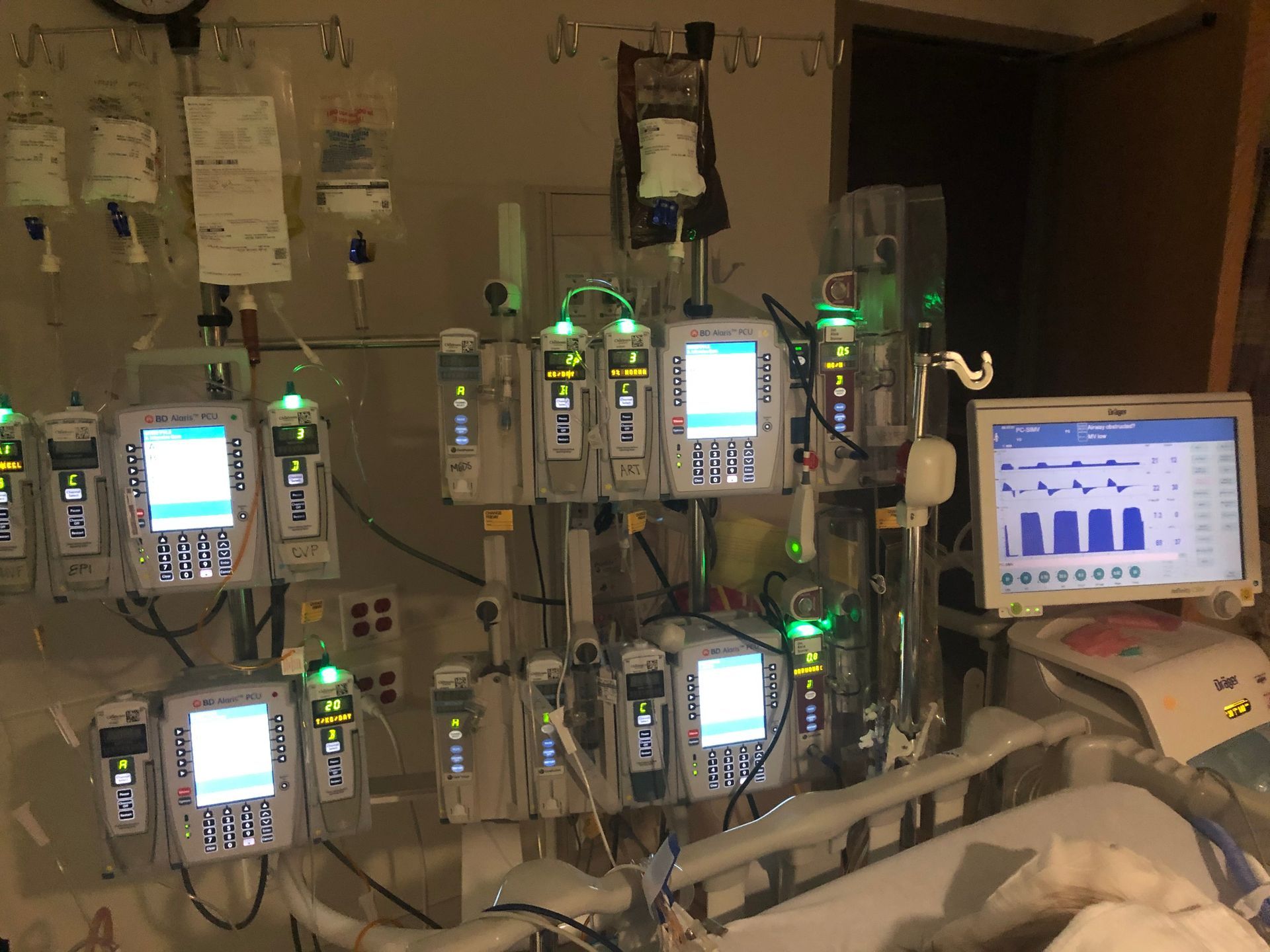
Within the Cardiovascular Intensive Care Unit (CVICU) at Children’s Minnesota, families from the surrounding five-state region with high-risk newborns are supported by the Patient/Caregiver Educator. Close to 30% of CVICU families have limited English proficiency and many face other barriers to traditional bedside education such as cognitive support needs, long travel distances, financial hardship, and emotional stressors.
After assessing learning needs and providing an orientation and resources, the PCE was there to make sure Jo understood every aspect and phase of Cole’s diagnosis and prognosis. The PCE provided Jo support when it was uncertain if Cole would survive his first surgery and curated resources and helped Jo make the decision about getting Cole a tracheostomy.
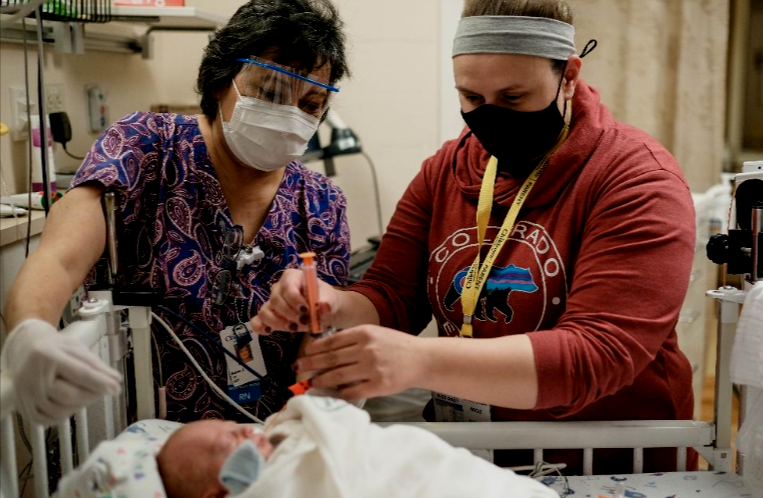
Cole’s tracheostomy surgery went well, but his discharge plan was unclear. His home area lacked resources to support his tracheostomy care and both staff and Jo’s family had concerns about Jo’s ability to care for Cole’s complex needs. The PCE did not give up hope that this baby boy could stay with his mother. Working closely with social work, case management, bedside nurses, doctors, and Caregiver Simulation (another CHA-funded Legacy Program), they were able to provide Jo extensive education and emotional support in preparation of discharge. Bedside nurses focus on immediate, task-based teaching tied to clinical care, whereas the PCE ensures consistent, coordinated, and comprehensive education across the entire hospitalization and into the home setting. The PCE helped change nurses pivot their perspectives from “She can’t do that,” to “She can do that; I’ll help her learn.” The PCE also made a care book entitled “About Me” to help Jo keep track of Cole’s medications and daily care needs.
One month after sending Cole home with Jo, he was brought back to the hospital due to respiratory illness. During this hospitalization, his care team noted that while Jo was providing care for Cole it seemed to be happening at the expense of caring for herself.
The PCE again was ready to assist and led collaboration with social work, case management, bedside nurses, and Jo to help find and document ways she could care and advocate for herself with her family. Cole recovered from his respiratory illness and went home with his mom who not only had the skills and resources to care for him but also to care for herself.
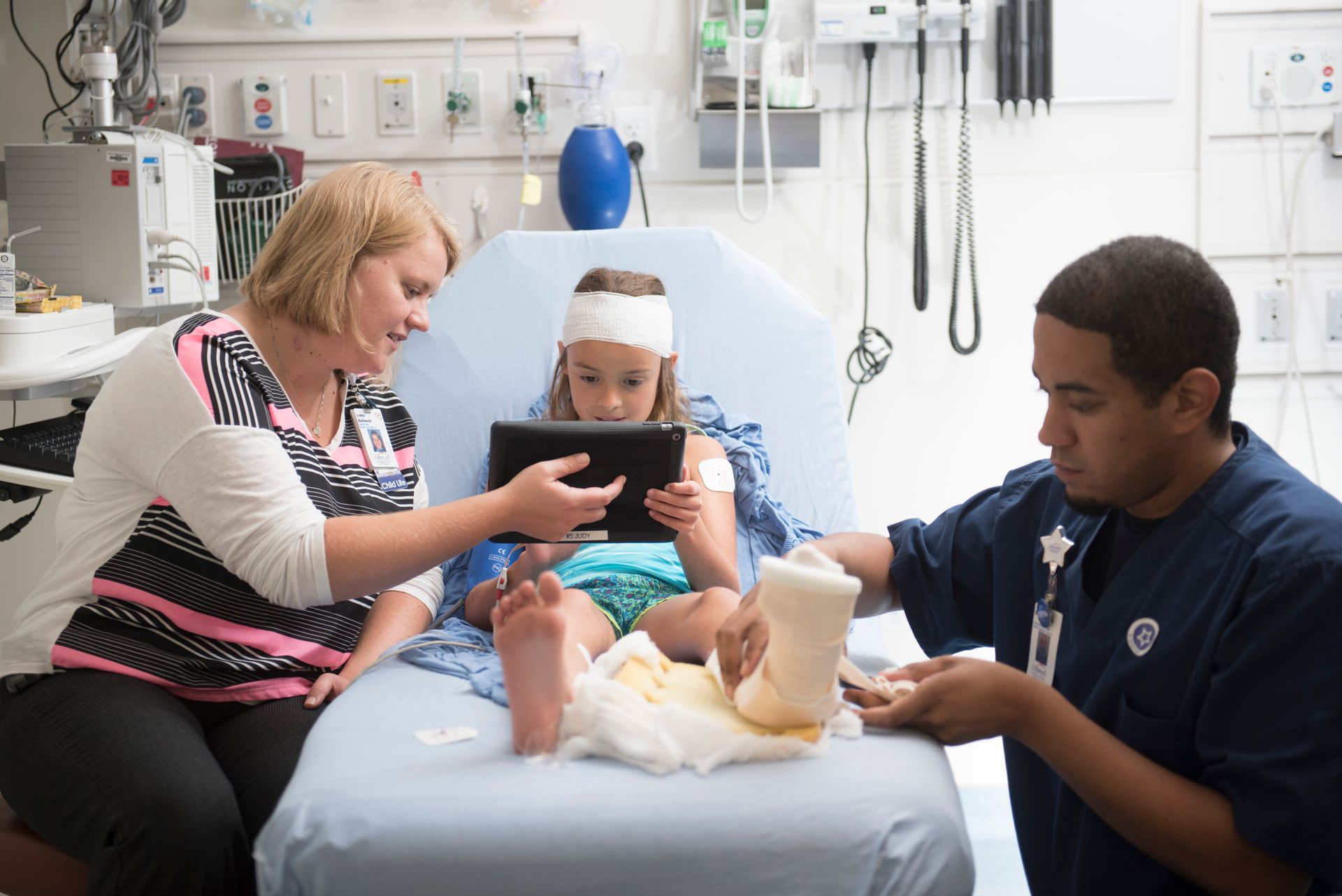
“The PCE is driving a culture shift within the Cardiovascular Intensive Care Unit by partnering with, and coaching the clinical team to deliver early, consistent, and family-centered education,” says Patient/Caregiver Educator Jaime Heil. “This model supports current evidence-based best practices and ensures every caregiver receives accurate and consistent teaching, regardless of language, learning style, or social circumstance.”
The Patient/Caregiver Education Program at Children’s Minnesota is one of CHA’s Legacy Program Partners. You can ensure these services not only remain available but also have the opportunity to expand by donating today.
Children’s Hospital Association (CHA) is a fundraising and resource 501(c)(3) nonprofit organization based in St. Paul, MN dedicated to supporting holistic pediatric healthcare services and programs rarely covered by insurance.
*All name and identifying details changed to protect family and patient privacy.